

- Show all
- Popular this month
- Most wish-listed
- Kies categorie
- Alle categorieën
- 0 - 20 EUR
- 20 - 50 EUR
- 50 - 100 EUR
- Kamerplanten
- Zaden




Izaan 20 Ananas fruitzaden



- Show all
- Popular
- Most wish-listed
- Most wanted




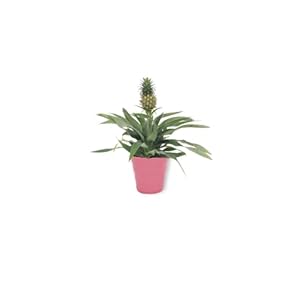











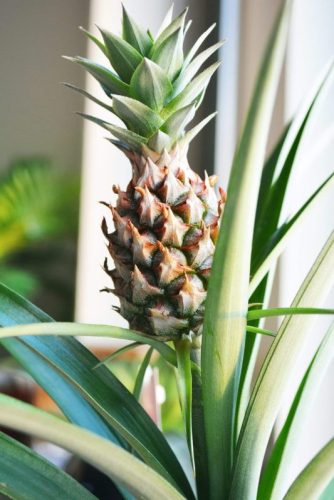

What is a pineapple plant?
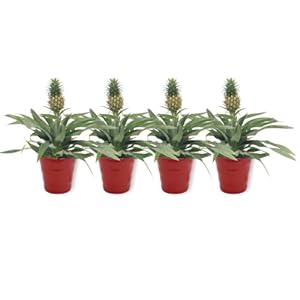
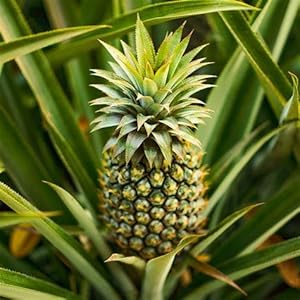
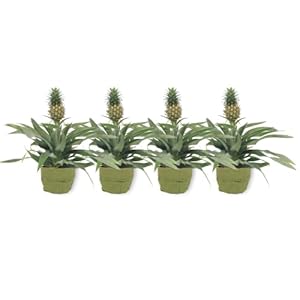
The pineapple plant, scientifically known as Ananas comosus, is a tropical plant originally from South America. It belongs to the bromeliad family and is best known for its exotic fruit, the pineapple. The plant has long, stiff leaves that grow in a rosette shape. In the center of this rosette, the pineapple fruit eventually develops.
What makes the pineapple plant special is that it is not only decorative but also relatively easy to care for. It thrives in a sunny environment and needs only moderate watering. The plant can be kept indoors or in a warm garden, as long as there is enough light.
Although growing an edible pineapple requires some patience, it is a fun and rewarding experience. The pineapple plant adds a tropical touch to your interior and even gives you the chance to harvest your own pineapple.
The origin of the pineapple plant
The pineapple plant originates from the tropical regions of South America. Before the plant became known worldwide, it grew in the wild in countries such as Brazil, Paraguay, and Argentina. The indigenous peoples of these areas were the first to discover the delicious taste and nutritional value of the pineapple fruit.
The plant later spread to Central America and the Caribbean, where it became an important part of the local diet. With the arrival of European explorers in the 15th century, such as Christopher Columbus, the pineapple plant was brought to Europe.
There, it quickly became a symbol of luxury and hospitality, partly due to its rarity and exotic appearance. The pineapple plant was eventually introduced to other tropical regions, including Asia and Africa, where it is now widely cultivated.
The rich history of the pineapple plant makes it a fascinating addition to gardens and interiors around the world.
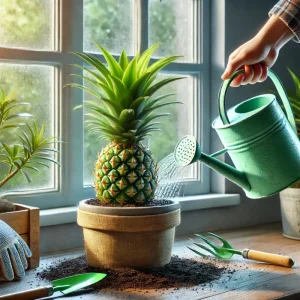
How to care for a pineapple plant
Caring for a pineapple plant is easier than you might think. This tropical plant thrives in a sunny environment, so it’s best to place it in a spot with plenty of light, such as a south‑facing windowsill. Make sure the plant receives enough warmth, as it prefers temperatures between 18 and 27 degrees Celsius.
Watering is an important part of its care, but don’t overdo it. Only water the pineapple plant when the top layer of soil feels dry. Too much water can cause root rot, so good drainage is essential.
During the summer months, you can water the plant a bit more often, while in winter its water needs decrease. Nutrition is also important for healthy growth. Use a liquid houseplant fertilizer once a month. Repot the pineapple plant every few years to give it more space to grow.
With the right care, your pineapple plant will not only grow beautifully but may eventually produce a delicious fruit.
The right location for your pineapple plant
Choosing the right spot for your pineapple plant is crucial for its growth and health. Pineapple plants love light and warmth, so it’s important to find a place that meets these needs. A sunny windowsill is often the ideal location, especially if it faces south. Here, the plant receives plenty of direct sunlight, which is essential for its development.
When choosing the right spot, keep the following points in mind:
Make sure the plant gets at least six hours of direct sunlight per day.
Avoid drafty areas, as the plant is sensitive to temperature fluctuations.
Keep it away from heating sources, as they can lower humidity levels.
In summer, you can consider placing the pineapple plant outside, as long as nighttime temperatures stay above 15 degrees Celsius. By following these guidelines, you create the optimal growing environment for your pineapple plant, resulting in a healthy and vibrant plant.
Watering your pineapple plant
Proper watering is essential for the health and growth of your pineapple plant. Pineapple plants prefer soil that is moist but not waterlogged. It’s important to wait until the top layer of the potting soil feels dry before watering again. This prevents the roots from drowning and reduces the risk of root rot. During the warmer months, when the plant is actively growing, it will need a bit more water. Make sure the water can drain well by using a pot with drainage holes.
In winter, the plant’s growth slows down and it requires less water. Be careful not to water too frequently during this resting period. It’s also recommended to pour the water into the center of the rosette, where the leaves meet. This mimics the natural way the plant collects rainwater. By following these simple guidelines, you help your pineapple plant stay healthy and happy.
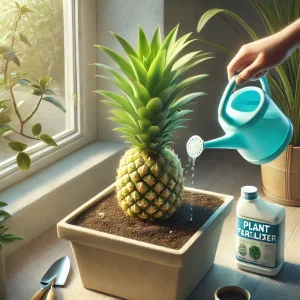
Fertilizing your pineapple plant
Providing the right nutrients to your pineapple plant is essential for healthy growth and development. Although pineapple plants are not particularly demanding, they do benefit from regular fertilization, especially during the growing season in spring and summer. A balanced liquid houseplant fertilizer is ideal. Here are a few tips for feeding your pineapple plant:
Fertilize your pineapple plant once a month during spring and summer.
Use a fertilizer rich in nitrogen to stimulate leaf growth.
Reduce the frequency of fertilizing in autumn and winter, when the plant is less active.
Always make sure to dilute the fertilizer according to the instructions on the packaging to prevent root burn. By feeding your pineapple plant properly, you support its health and vitality, which ultimately increases the chance of producing a delicious pineapple.
The growth and flowering period of the pineapple plant
The growth and flowering period of the pineapple plant is a fascinating process that requires patience and care. Pineapple plants grow relatively slowly, and it can take up to two years before they produce their first flower. Flowering is an important moment, as it marks the beginning of pineapple fruit development.
During the growth period, it’s essential to take good care of your plant. Here are some key points to keep in mind:
Ensure plenty of light, as the plant needs a lot of sunlight to grow and bloom.
Keep the temperature consistently between 18 and 27 degrees Celsius.
Water regularly, but avoid letting the roots sit in water.
When the plant finally blooms, a colorful flower appears in the center of the rosette. After flowering, the fruit begins to develop, which can take another six months. With the right care and attention, you can eventually enjoy a home‑grown pineapple.
Repotting your pineapple plant
Repotting your pineapple plant is an important step in promoting its growth and ensuring healthy root development. It is usually necessary to repot the plant every two years, or when you notice roots growing out of the drainage holes. The best time to do this is in spring, when the plant enters its active growing season. Here are some tips for successfully repotting your pineapple plant:
Choose a pot that is slightly larger than the current one, with good drainage holes to prevent waterlogging.
Use a light, well‑draining potting mix, preferably one suitable for tropical plants.
Be careful when removing the plant from its old pot to avoid damaging the roots.
After repotting, water the plant and place it in a warm, bright location. It may take some time for the plant to adjust to its new environment, but with proper care it will soon continue to grow and thrive.
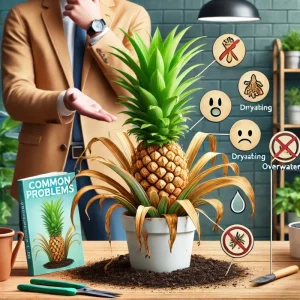
Common problems with the pineapple plant
Although the pineapple plant is relatively easy to care for, a few issues can still arise that may affect its health. A common problem is root rot, which usually occurs due to overwatering. Make sure the pot has proper drainage and allow the top layer of soil to dry before watering again. Another issue you may encounter is yellowing leaves. This can indicate a lack of nutrients or insufficient light. Check whether your plant receives enough sunlight and consider adding a liquid fertilizer regularly during the growing season.
Pests such as spider mites and aphids can also occasionally appear. Inspect the leaves regularly and use a mild insect spray if necessary to keep infestations under control. Finally, a cold environment can cause growth to slow down or lead to leaf damage. Ensure your pineapple plant is kept in a warm, draft‑free location. By staying alert to these problems and acting quickly, you can keep your pineapple plant healthy and strong.
How to recognize a healthy pineapple plant
A healthy pineapple plant can be recognized by several characteristics that indicate good care and proper growth. First, the leaves are an important indicator of the plant’s condition. They should be firm and upright, with a vibrant green color. Yellowing or drooping leaves may signal issues such as overwatering or nutrient deficiency. Here are some signs of a healthy pineapple plant:
Shiny leaves without brown edges or spots.
A firm, compact growth pattern with a clearly defined central rosette.
A stable plant that does not wobble in the pot, indicating a well‑developed root system.
A healthy pineapple plant is also free of pests and diseases. Regularly check the underside of the leaves for signs of insects such as spider mites or aphids. A healthy plant will also show a steady growth cycle, with new leaves developing in the center of the rosette. By keeping an eye on these characteristics, you can ensure your pineapple plant stays in excellent condition.
Pineapple plant and pets: what to watch out for
If you have pets, it’s important to know how safe your plants are for them. The pineapple plant is generally non‑toxic to pets such as cats and dogs, which means you don’t need to worry too much if they occasionally nibble on the leaves. However, it’s still wise to keep your pineapple plant out of reach of curious animals. This not only prevents damage to the plant but also avoids situations where pets might knock it over or scatter the potting soil.

Buying a pineapple plant: what to look out for
When buying a pineapple plant, there are a few important things to pay attention to in order to make sure you take home a healthy and strong plant. First, it’s important to assess the overall condition of the plant. Choose one with firm, green leaves without brown edges or spots — this indicates good health and proper care. Here are some points to keep in mind when purchasing a pineapple plant:
Check whether the plant has a firm root base and is not loose in the pot.
Look for any signs of pests, such as small insects or webs on the leaves.
Pay attention to the size of the plant; a larger plant often has a better‑developed root system.
It’s also a good idea to ask the seller how the plant was grown and whether there are any specific care tips. By paying attention to these details, you ensure that you bring home a healthy pineapple plant that will grow and thrive in your home or garden.
The best places to buy a pineapple plant
Finding the right place to buy a pineapple plant can make a big difference in the quality and health of the plant you bring home. There are several types of stores you can visit, each with its own advantages. Here are some of the best options for buying a pineapple plant:
Local garden centers: These stores often offer a wide range of plants and expert advice, helping you make the best choice.
Online plant shops: Websites like Plantje.nl and Fleurdirect.nl offer a large selection of pineapple plants and deliver directly to your home.
Farmers’ markets: Here you often find plants from local growers, which means fresh and well‑cared‑for specimens.
When choosing a store, it’s important to read reviews and ask about the origin of the plants. This helps you find a healthy plant that will thrive in your environment. By carefully selecting where you buy your pineapple plant, you increase the chances of successful growth and flowering.

Pineapple plant as a gift: an original choice
Giving a pineapple plant as a gift is a surprising and original way to delight someone. This tropical plant is not only visually striking with its exotic appearance, but it also symbolizes hospitality and warmth. It’s a gift that continues to grow and flourish, allowing the recipient to enjoy it for a long time. Because the pineapple plant is relatively easy to care for, it’s suitable for both beginner and experienced plant lovers. When you give a pineapple plant as a gift, you’re offering more than just a plant — you’re giving a piece of nature that can brighten up any home or office.
The fact that the plant may eventually produce a pineapple adds an extra element of surprise and joy. Whether it’s for a birthday, a housewarming, or another special occasion, a pineapple plant offers a unique and lasting memory. This versatile plant is a perfect addition to any plant collection and brings a touch of tropical charm to any space.
